
Balsamic chicken is one of those dishes almost everyone cooks and few cook memorably, because the balsamic is usually a thin, sharp supermarket bottle boiled into a sticky, over-sweet reduction. Made with a traditional aged balsamic it becomes something else: golden, crisp-skinned thighs, fragrant with rosemary and garlic, finished with a glossy drizzle of a vinegar that is already syrup. It is a one-pan supper with the depth of something far more laborious.
The trick, as with the salmon, is knowing when the balsamic goes in. Cook it into the pan from the start and its aroma flattens; add it as a finishing glaze and it keeps every note of fig, cherry and wood it gained in the barrel. Rosemary and garlic do the savoury work during roasting; the balsamic arrives at the end to tie it all together.
Why the balsamic matters
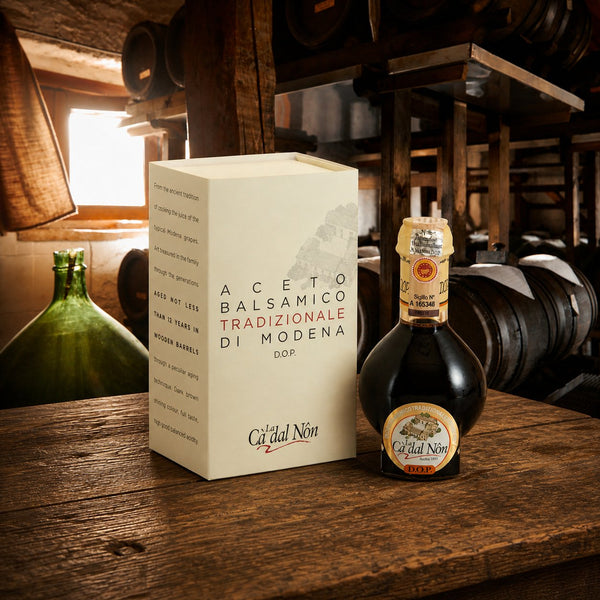
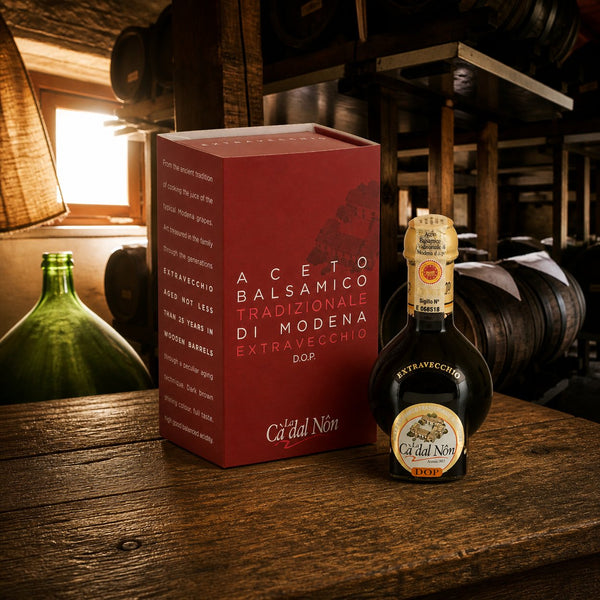
A traditional barrel-aged balsamic needs no help to glaze. It is thick and sweet enough to coat the chicken straight from the bottle, so there is no reducing, no added sugar, and no risk of the bitter, scorched edge that a boiled-down cheap balsamic develops. Use the twelve-year to finish the pan generously, and a few drops of an older bottle over the carved meat for a last flourish. Because it never really cooks, the vinegar stays complex and perfumed rather than turning into flat sweetness, which is the difference between this and the usual weeknight version.
Ingredients
- 8 bone-in, skin-on chicken thighs, or a mix of thighs and drumsticks
- 2 tablespoons extra virgin olive oil
- 4 cloves garlic, lightly crushed, skins on
- 3 sprigs rosemary
- 3 to 4 tablespoons traditional aged balsamic vinegar, plus a little extra-aged to finish
- Salt and freshly ground black pepper
Equipment
- A large ovenproof frying pan or roasting tin
- Tongs
Method
- Heat the oven. Set it to 200C (fan 180C).
- Brown the skin. Pat the thighs dry and season well. Heat the olive oil in an ovenproof pan over medium-high heat and lay the thighs in skin-side down. Leave them undisturbed for 6 to 8 minutes, until the skin is deep golden and releases easily, then turn.
- Add aromatics and roast. Tuck the crushed garlic and rosemary into the pan and transfer it to the oven. Roast for 18 to 20 minutes, until the chicken is cooked through and the juices run clear.
- Glaze off the heat. Rest the chicken for a few minutes, then spoon the aged balsamic over the thighs and through the pan juices, turning them to coat. Finish with a few drops of extra-aged balsamic and a grind of pepper, and serve straight from the pan.
Chef's notes and common mistakes
- Start the skin in a cold-to-medium pan and leave it alone. Moving the thighs too early tears the skin before it has crisped. Wait for them to release.
- Thighs over breasts. Bone-in thighs stay juicy and forgiving; breasts dry out and suit this glaze far less well.
- Balsamic at the end. Roasting the chicken in balsamic from the start burns the sugars and dulls the aroma. It is a finishing glaze, not a marinade.
- Do not crowd the pan. The thighs need space to colour; pack them in and they steam instead of crisping.
Variations
A spoonful of honey added with the balsamic makes a stickier, sweeter glaze for those who like it. Thyme or sage can stand in for rosemary, and a scatter of chilli flakes gives a little heat. Add halved cherry tomatoes or shallots to the pan for the last fifteen minutes and they roast down into the glaze. The same method works beautifully with a whole spatchcocked chicken if you are cooking for a crowd, simply lengthening the roasting time.
Make ahead and storage
The browned, roasted chicken keeps well: refrigerate for up to three days and reheat in a hot oven to re-crisp the skin, adding fresh balsamic once warmed through. It also freezes for up to a month, though the skin softens. The pan juices and glaze are worth saving and spooning over rice or greens the next day.
Serving and pairing
Serve the thighs from the pan with soft polenta, mashed potato, or bread to mop the balsamic-rich juices, and a bitter leaf salad to cut the richness. A medium-bodied Italian red such as Chianti or Sangiovese matches both the rosemary and the sweet-sharp glaze. This is an easy dish to scale up for guests, since the browning can be done ahead and the roasting and glazing finished just before you sit down.