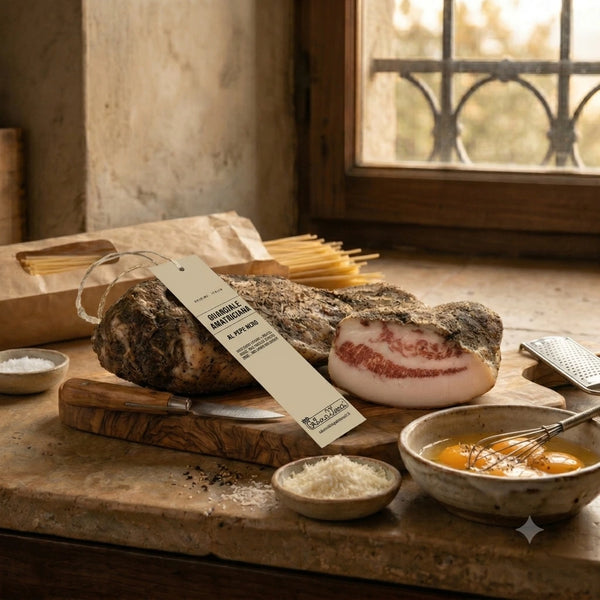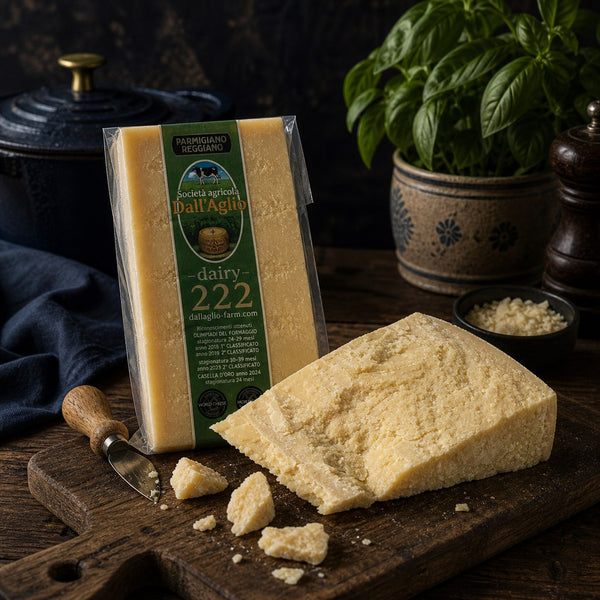

Pasta e fagioli is the great comfort dish of the Italian home kitchen: pasta and beans in a broth that is neither quite soup nor quite sauce, thick enough to stand a spoon in, humble enough to have fed the country for centuries. Every region owns a version. Ours leans Roman, which means it begins the way the best Roman cooking begins: with guanciale rendering slowly in a heavy pot.
The cheek fat does two jobs here. It seasons the soffritto that forms the base of the broth, and its crisp pieces return at the end as a garnish that lifts the whole bowl. With good beans, a rind of Parmigiano in the pot, and a final thread of olive oil, this is peasant food that eats like something far grander.
Why the guanciale matters
Beans are generous carriers of flavour but bring little of their own, which is why every traditional pasta e fagioli starts with cured pork. Guanciale gives the broth a rounded, aromatic depth that pancetta approximates and bacon overwhelms. Rendered first, its fat cooks the soffritto; crisped and reserved, it gives the finished bowl the contrast of texture that keeps a one-pot dish interesting to the last spoonful.
Ingredients
- 150g guanciale, cut into small batons
- 1 small onion, 1 carrot, 1 celery stick, finely diced
- 2 garlic cloves, sliced
- 1 tablespoon tomato paste
- 2 x 400g tins borlotti beans, drained, or 500g cooked from dried
- 1.2 litres light chicken or vegetable stock
- A Parmigiano Reggiano rind, plus 40g grated to serve
- 200g ditalini or other small pasta
- 1 sprig rosemary
- Extra virgin olive oil, to finish
- Freshly ground black pepper; salt only after tasting
Equipment
- A heavy casserole or large saucepan
- A slotted spoon and a ladle
- A blender or potato masher, for part of the beans
Method
- Render the guanciale. Start the batons in the cold, dry pot over medium heat and render slowly until crisp and golden. Lift out and reserve, leaving the fat.
- Build the soffritto. Soften the onion, carrot and celery in the guanciale fat over gentle heat for 8 to 10 minutes, then add the garlic and rosemary for a final minute.
- Deepen. Stir in the tomato paste and cook it out for two minutes until it darkens a shade.
- Simmer the beans. Add the beans, stock and Parmigiano rind. Simmer gently for 15 minutes, then remove the rind and rosemary stem, and blend or mash a third of the beans back into the pot to thicken the broth.
- Cook the pasta in the pot. Add the ditalini and simmer, stirring often, until al dente, loosening with hot water if the pot tightens too much. The starch belongs in the dish.
- Finish. Rest the pot two minutes off the heat. Serve in warm bowls topped with the crisp guanciale, grated Parmigiano, black pepper and a generous thread of extra virgin olive oil.
Chef's notes and common mistakes
- Cook the pasta in the broth, never separately. Its starch is what turns the liquid silky. Boiled apart and added, the dish stays thin and disjointed.
- Mash some beans, not all. A third, blended back in, gives body while the rest keep their shape.
- The rind is not garnish. Twenty minutes of a Parmigiano rind in the pot adds a savoury depth nothing else replicates. Keep your rinds in the freezer for exactly this.
- It thickens as it stands. Pasta e fagioli should be loose enough to slump off a spoon. Adjust with hot water at the end rather than serving it stodgy.
Variations
Cannellini stand in happily for borlotti. A pinch of chilli in the soffritto is common in Rome. In autumn, a handful of chopped tomatoes can replace the paste for a fresher broth. Vegetarians can skip the guanciale and lean on the rind and oil, though at that point it is a different, quieter dish.
Make ahead and storage
The base, up to the end of the bean simmer, improves overnight and keeps refrigerated for three days. Reheat it, then cook the pasta fresh in the simmering broth before serving; pasta stored in the soup drinks it dry. The finished dish keeps a day and reheats with a splash of water, thicker and, some would argue, better.
Serving and pairing
A bowl, a spoon, bread for the sides of the bowl, and little else. This is a complete supper. A glass of juicy, unoaked red, a Montepulciano d'Abruzzo or a young Chianti, is the natural companion; in Rome it would simply be the house red.