
Insalata Caprese is the salad that proves how little good ingredients need doing to them. Tomato, mozzarella and basil, arranged in the red, white and green of the Italian flag, dressed with nothing more than olive oil, salt and a whisper of aged balsamic. It comes from the island of Capri, where it was built to show off the local produce rather than a cook's cleverness, and that remains the whole point: this is a dish you assemble, not one you make.
Because there is nowhere to hide, Caprese is entirely a question of shopping. Pale winter tomatoes and rubbery mozzarella cannot be rescued by technique. Ripe summer tomatoes, proper buffalo mozzarella, fragrant basil and a genuinely good oil, on the other hand, need almost nothing from you at all.
Why the balsamic matters
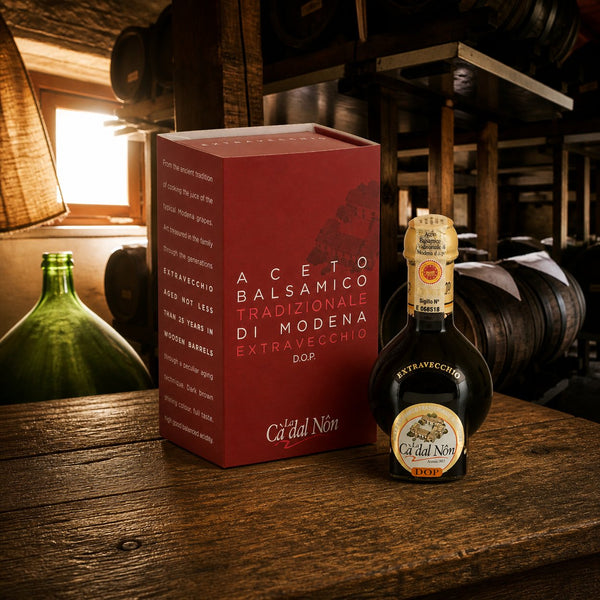
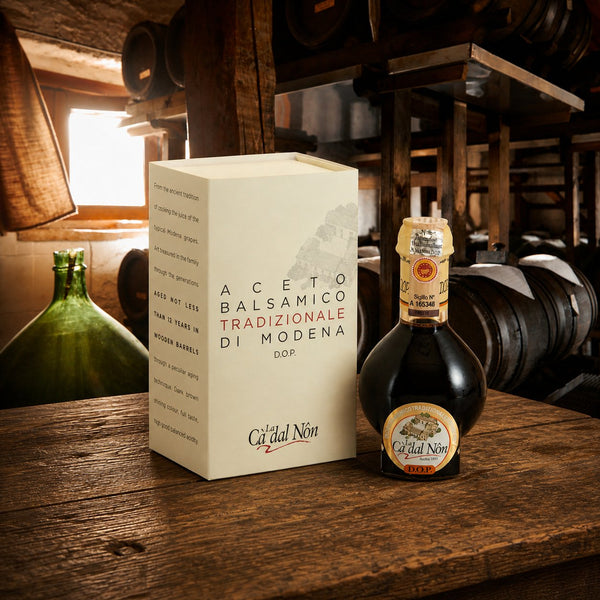
Purists on Capri will tell you Caprese needs no vinegar, and with flawless August tomatoes they are right. But a few drops of a traditional aged balsamic do something a squeeze of lemon or a cheap vinegar cannot: they add a dark, sweet, almost molasses-like note that flatters the tomato without shouting over the mozzarella. The key word is traditional. A real barrel-aged balsamic is thick and syrupy on its own, sweet rather than sharp, and you use it in drops, not spoonfuls. This is the opposite of dousing a salad in thin supermarket vinegar.
Ingredients
- 4 large ripe tomatoes, at room temperature, the best you can find
- 2 balls buffalo mozzarella (about 250g), drained
- A large handful of fresh basil
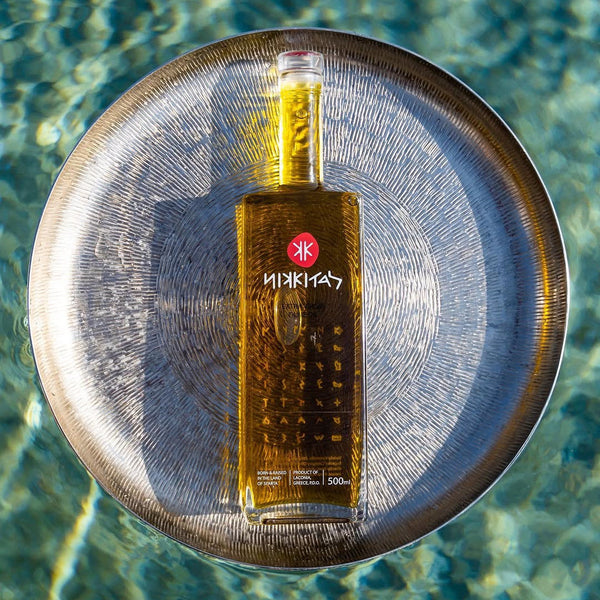
- Extra virgin olive oil, for drizzling
- Traditional aged balsamic vinegar, a few drops per plate
- Flaky sea salt and freshly ground black pepper
Equipment
- A sharp knife
- A single large platter or four plates
Method
- Bring everything to room temperature. Cold dulls both tomato and mozzarella. Take them out of the fridge at least thirty minutes before you plan to eat.
- Slice. Cut the tomatoes and the mozzarella into rounds of roughly the same thickness, about 1cm.
- Arrange. Alternate slices of tomato and mozzarella across the platter, overlapping them, and tuck whole basil leaves between the layers.
- Season and dress. Season with flaky salt and pepper, drizzle generously with olive oil, then finish with a few careful drops of aged balsamic. Serve at once, while the salt is still drawing the juice from the tomatoes.
Chef's notes and common mistakes
- Salt the tomatoes, not the mozzarella. The salt pulls sweetness and juice out of the tomato; on the cheese it just sits there.
- Do not drown it in balsamic. A traditional aged balsamic is intense. Drops, placed around the plate, not a puddle.
- Room temperature, always. Straight from the fridge, the flavours are locked shut. This is the single biggest improvement most people can make.
- Tear, do not chop, the basil. A knife bruises and blackens it; whole or torn leaves stay green and perfumed.
Variations
Caprese is a template as much as a recipe. Swap the round tomatoes for a mix of heirloom colours, or for halved cherry tomatoes in a looser, chopped version. A little sliced avocado is a modern, un-Italian but delicious addition. Out of basil, a scatter of torn oregano or a spoon of pesto both work. What does not change is the restraint: the moment you add a fifth or sixth ingredient, it stops being Caprese.
Make ahead and storage
Caprese does not keep and should not be made ahead. Sliced tomatoes weep and mozzarella dries once cut, so assemble it within the half hour before serving. You can, of course, have everything sliced and ready; the dressing and the final arrangement take two minutes.
Serving and pairing
Serve Caprese as a light lunch with good bread to mop the tomato-stained oil and balsamic from the plate, or as a first course before pasta. It wants a cold, crisp white with some mineral bite: a Vermentino, a Greco di Tufo, or a dry rose. In high summer, with a chilled glass and a warm evening, it is close to a perfect thing to eat.