
Crab rewards a cook who treats it gently. The meat is sweet, delicate, and already cooked when most of us meet it, so the work is not really cooking at all but a matter of warming, dressing, and protecting that flavour rather than burying it. This dish does exactly that. A thin armour of breadcrumbs goes crisp in the pan while a disc of lemon herb butter melts into the meat from within, and the result is rich, fragrant, and quietly luxurious.
It looks like a restaurant plate, but the method is forgiving and the timings are short. The only real discipline is to keep the crab moving quickly through its stages so the meat never overcooks and the crust stays golden rather than greasy. Everything below is written to get you there.
Why the butter matters
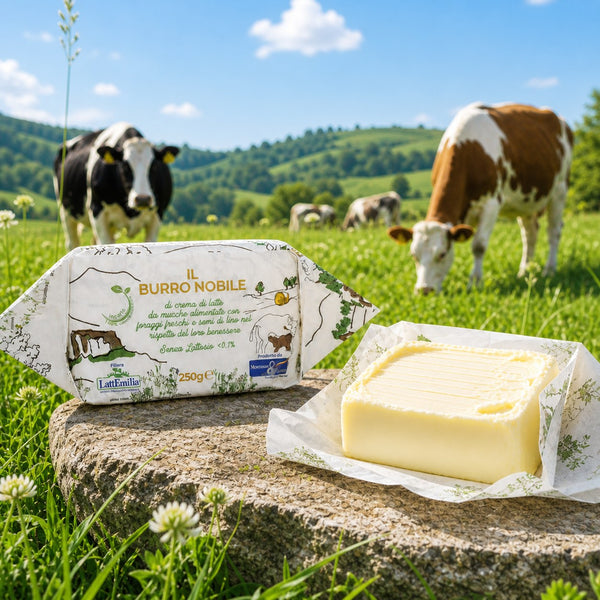
The lemon herb butter is the heart of this dish, and butter is not a place to economise here. A cultured butter such as Burro Nobile carries a clean, faintly tangy dairy depth that a standard sweet-cream butter cannot match, and it is that richness that defines the finished plate. When the disc melts inside the crab, it seasons the meat from the inside out, binding the lemon zest, garlic, and herbs into something that tastes of far more than its few ingredients.
Because the butter does so much of the work, treat it well. Bring it to a soft, spreadable state before blending so the flavourings distribute evenly, then chill it hard again before use. A firm log slices cleanly and melts slowly, which is precisely what you want tucked against warm crab under a crust.
Ingredients
- 500g crab meat, in large pieces or whole pre-cooked sections
- 80g unsalted butter, divided (40g for the herb butter, 40g for cooking)
- Zest of 1 lemon, finely grated
- 1 garlic clove, crushed
- 2 tbsp fresh chives, finely chopped
- 2 tbsp fresh chervil, finely chopped, or flat-leaf parsley
- 1 carrot, 1 celery stalk, 1 leek, and 1 onion, for the cooking water
- Plain flour, for coating
- 1 egg, lightly beaten
- Dried breadcrumbs, panko works well
- Fine sea salt, to taste
A note on quantities and substitutions: chervil has a soft, almost aniseed note, but flat-leaf parsley stands in cleanly if it is hard to find. Panko gives the lightest, crispest crust, though any dried breadcrumb will work. The recipe serves four and scales neatly; simply hold the ratio of butter to lemon and herbs steady if you make a larger batch of the flavoured butter, as it keeps well.
Equipment
- A mixing bowl for the herb butter
- A sheet of baking parchment for rolling the butter into a log
- A large pot for the aromatic cooking water
- Three shallow bowls or plates for the flour, egg, and breadcrumbs
- A wide frying pan or skillet
- Kitchen paper for draining, and a fine grater for the lemon zest
Method
- Make the herb butter. Blend the 40g of softened butter with the lemon zest, crushed garlic, chives, and chervil until smooth. Spread it onto a sheet of baking parchment, roll into a log, wrap, and refrigerate until firm, about twenty minutes. Chilling matters: a firm log slices cleanly and melts slowly inside the crust rather than running out into the pan.
- Prepare the cooking water. Bring two litres of water to the boil with the chopped carrot, celery, leek, and onion, and season with salt. This aromatic court bouillon gently perfumes the crab as it warms, adding a savoury background without overpowering the sweet meat.
- Refresh the crab. Lower the crab pieces into the simmering water and warm through, four to six minutes for cooked sections. The aim is only to bring the meat back to temperature, not to cook it further, so keep the heat at a simmer rather than a hard boil. Drain well and pat thoroughly dry, since surface moisture is the enemy of a crisp crust.
- Stuff and coat. Cut a slice of the firmed herb butter and tuck it inside or over each crab portion. Then coat each piece in flour, dip in the beaten egg, and roll in breadcrumbs until evenly covered. The flour gives the egg something to grip, the egg glues on the crumbs, and the crumbs form the seal that traps the melting butter.
- Fry. Melt the remaining 40g of butter in a pan over medium heat and cook the breaded crab for two to three minutes per side, until deeply golden and crisp on every face. Frying in butter rather than oil deepens the flavour and colour, but keep the heat at medium so the butter browns the crust without burning. Drain briefly on kitchen paper.
- Serve. Plate the crab hot, with lemon wedges alongside and a glass of cold dry white wine. The crust is at its best in the first few minutes, so do not let it sit.
Chef's notes and common mistakes
- Dry the crab properly. Damp meat steams its own coating from within and the crust turns soft. Pat every piece dry before it meets the flour.
- Watch the butter in the pan. Butter browns faster than oil. Keep the heat at a steady medium and pull the pan back if the crust is colouring before the inside has warmed.
- Do not overheat the crab in the water. It is already cooked. A gentle simmer warms it through; a rolling boil toughens the delicate flesh.
- Season lightly. Between the salted water and the flavoured butter the dish carries most of its seasoning. Taste before adding more salt at the table.
Variations
The herb butter is the part most open to play. Tarragon in place of chervil pushes the dish in a more classically French direction, while a little finely grated lemon thyme or a pinch of cayenne adds warmth without disturbing the balance. A whisper of anchovy mashed into the butter deepens the savoury note for those who want it. On the crust, a handful of finely grated hard cheese or a little lemon zest folded through the breadcrumbs gives extra fragrance. What does not change is the principle: keep the crab the star and let everything else flatter it.
Make ahead and storage
The flavoured butter is the great advantage here and is built for getting ahead. Make it days in advance, keep the log wrapped and chilled, or freeze it for up to a couple of months and slice straight from frozen. The crab is best breaded and fried just before serving, but you can flour, egg, and crumb the portions an hour ahead and rest them in the fridge, which actually helps the coating set. Once fried, the dish does not keep well; the crust softens and the meat dries on reheating, so cook only what you will eat.
Serving and pairing
Serve the crab hot from the pan with lemon wedges, and keep the accompaniments simple so the richness has room: a sharply dressed green salad, or buttered new potatoes, or nothing more than good bread. For wine, the cold dry white called for in the method is exactly right. A crisp, mineral white such as a Picpoul de Pinet, a Muscadet, or a steely Italian Vermentino cuts cleanly through the butter and echoes the lemon, while a glass of dry Champagne or a good Crémant turns the plate into something festive.