
Soft scrambled eggs under a glossy spoonful of caviar is the definition of understated luxury: a handful of ingredients, no cheffy technique, and a result that feels like a special occasion whatever the hour. The French call the grandest version oeufs brouilles au caviar and serve the eggs back in the shell; at home a warm plate does just as well. The eggs are there to be a soft, buttery, barely-set cushion, and the caviar to bring the salt, the pop and the sea.
Because there are so few components, the whole dish rests on two things: cooking the eggs slowly enough that they stay creamy rather than dry, and not letting anything hot touch the caviar. Get those right and this is one of the most reliable small pleasures in cooking.
Why the caviar matters
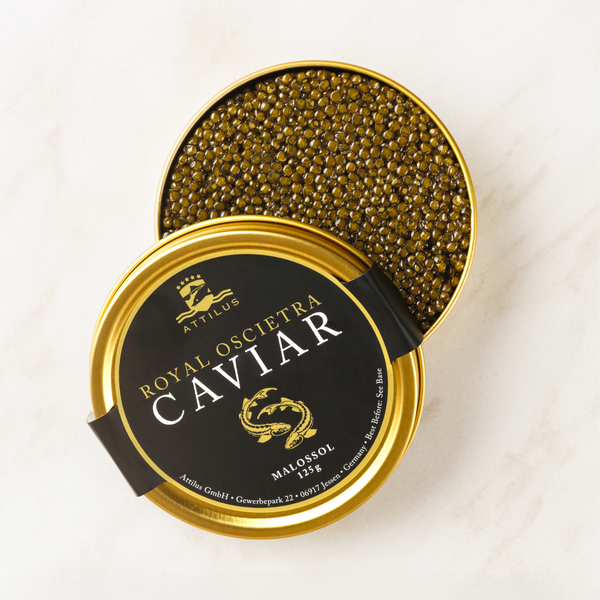
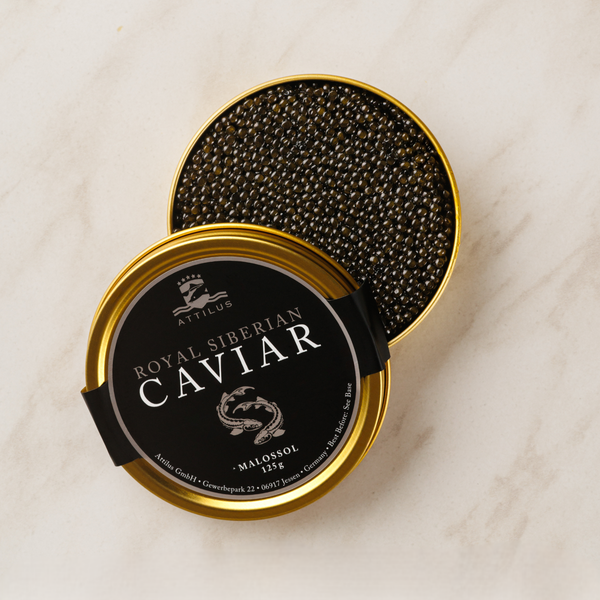
Caviar is the seasoning, the garnish and the point of the dish all at once, so it is worth choosing well. A fresh caviar with clean, firm pearls that burst rather than smear gives the eggs their moment of brine and pop against the soft curds. Oscietra, nutty and elegant, is the classic choice for eggs; a Siberian caviar is an excellent everyday option. Whatever you use, it goes on at the very end, off the heat, since warmth dulls the flavour and softens the pearls. Salt the eggs cautiously for the same reason: the caviar brings its own.
Ingredients
- 4 very fresh eggs
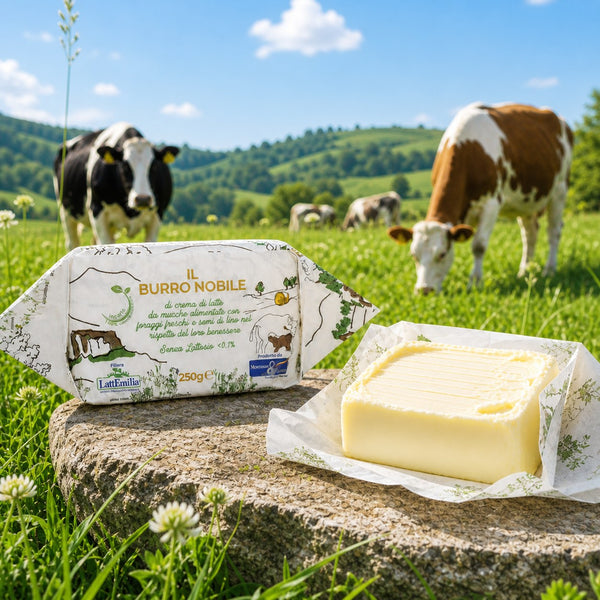
- 20g good unsalted butter
- 1 tablespoon creme fraiche or double cream
- 2 generous teaspoons caviar, or more to taste
- A little snipped chive, optional
- Salt, sparingly, and white pepper
- Buttered toast or warm blinis, to serve
Equipment
- A small non-stick or heavy-based pan
- A silicone spatula
- A non-metallic spoon (mother-of-pearl, bone or horn) for the caviar
Method
- Beat lightly. Crack the eggs into a bowl and beat just enough to combine the yolks and whites; do not whip in air. Season with a tiny pinch of salt and white pepper.
- Cook low and slow. Melt the butter in the pan over a low heat, pour in the eggs, and stir gently and constantly with the spatula. Keep the heat low; the eggs should form soft curds over two or three minutes, not seconds.
- Pull them early. When the eggs are still glossy and a little looser than you want them, take the pan off the heat and stir in the creme fraiche. The residual heat finishes them and the cream stops the cooking.
- Plate and crown. Spoon the soft eggs onto warm plates or into shells, scatter with chives, and top with a spoonful of caviar added with a non-metallic spoon at the last second. Serve at once with toast or blinis.
Chef's notes and common mistakes
- Low heat is everything. High heat gives you dry, squeaky curds. The eggs should look almost underdone when you pull the pan; they carry on setting on the plate.
- Never a metal spoon for caviar. Metal taints the delicate flavour. Use mother-of-pearl, bone, horn or even plastic, never silver or steel.
- Add the caviar off the heat. Warm eggs are fine to sit it on, but do not stir it into the hot pan; heat kills both the pop and the taste.
- Undersalt the eggs. The caviar is salty. Season the eggs lightly and let the pearls do the rest.
Variations
For the full French flourish, cook and serve the eggs inside their own carefully emptied shells, set in egg cups. A spoonful of the eggs and caviar on a warm potato blini makes an elegant canape. Smoked salmon folded through the finished eggs, with the caviar on top, is a classic and generous brunch. For a budget everyday version, salmon caviar keeps the drama at a fraction of the cost and looks spectacular against the pale eggs.
Make ahead and storage
Scrambled eggs are a dish of the minute and cannot be made ahead; they turn rubbery on standing and reheat badly. What you can prepare is everything around them: toast ready, plates warming, caviar chilled in its tin on ice until the final second. Keep opened caviar refrigerated at the back of the fridge and use within a day or two of opening.
Serving and pairing
Serve as a lavish breakfast, a light supper, or the opening of a celebration. The classic partner is Champagne, whose acidity and bubbles cut the richness of egg and butter and flatter the caviar; a cold vodka, served in tiny glasses, is the Russian alternative. Keep the portions small and the plates warm, and let the caviar be the last thing that touches the dish.