
Saffron risotto belongs to Milan, where it is known as risotto alla milanese and served as a quiet emblem of the city's kitchen. Its colour is unmistakable, a deep amber gold that comes from nothing more than a pinch of saffron coaxed into warm stock. The version here keeps that golden heart intact and adds crisp guanciale scattered over the top, so the dish gains a savoury, smoky counterpoint without losing the restraint that defines the original.
What makes it special is the interplay of textures and the discipline of the technique. A good risotto is creamy without cream, bound only by the starch the rice releases as it is coaxed, ladle by ladle, towards tenderness. Get the rhythm right and you are rewarded with something luxurious built from a short list of honest ingredients.
Why the guanciale matters
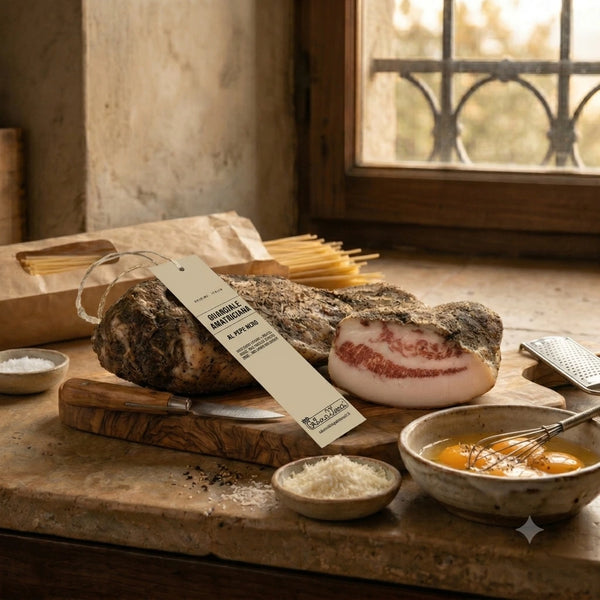
Guanciale is cured pork cheek, and here it plays two roles. Rendered slowly from a cold pan, it gives up a deep, aromatic fat that becomes the cooking medium for the shallot and the rice, lending the whole dish a savoury foundation that oil alone cannot match. The crisped matchsticks then return at the end, scattered over the top, where they provide the textural contrast that lifts a soft risotto into something memorable. Pancetta will stand in at a pinch, but the cheek has a softer, more fragrant fat and a concentration of flavour that no substitute quite reproduces.
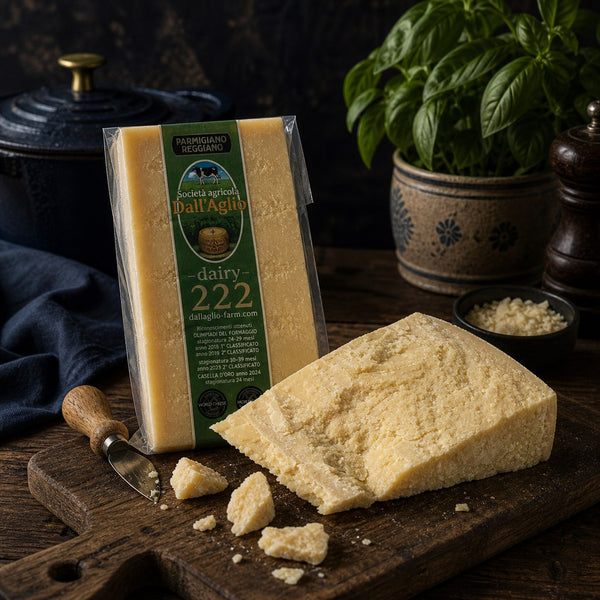
For the cheese, Parmigiano Reggiano is the natural partner. Stirred through at the very end with cold butter, it gives the risotto its gloss and a rounded, nutty depth that sits beautifully against the floral saffron. Use a well-aged piece and grate it finely so it melts cleanly into the rice.
Ingredients
- 320g risotto rice, such as Carnaroli or Arborio
- 150g guanciale, cut into thin matchsticks
- 1 litre hot chicken or vegetable stock, kept at a gentle simmer
- 1 small shallot, finely chopped
- 1 generous pinch saffron threads
- 2 tablespoons warm stock, for infusing the saffron
- 50g Parmigiano Reggiano, finely grated
- 25g unsalted butter, cold
- Salt and freshly ground black pepper, to taste (season lightly, as the guanciale and cheese are already salty)
A note on scaling: the dish serves four comfortably and scales cleanly, so long as you keep the rice generously covered with hot stock throughout. Carnaroli holds its bite better than Arborio over a long cook and is worth seeking out, but either will serve you well.
Equipment
- A large, heavy-bottomed saucepan or risotto pan
- A separate pan to keep the stock hot
- A small frying pan for the guanciale
- A small bowl for infusing the saffron
- A ladle, a wooden spoon, and a fine grater or microplane
- A slotted spoon and kitchen paper
Method
- Infuse the saffron. Place the saffron threads in a small bowl and pour over two tablespoons of warm stock. Leave to steep for at least 15 minutes. Giving the threads time to bloom draws out both their colour and their distinctive floral aroma, which a last-minute addition cannot match.
- Render the guanciale. Place the matchsticks in a cold frying pan and bring it slowly up to a medium heat. Letting the fat render gradually keeps the meat tender while it crisps. Once golden, lift the guanciale out with a slotted spoon onto kitchen paper, and reserve several tablespoons of the rendered fat for the risotto.
- Soften the shallot and toast the rice. In your heavy saucepan, gently cook the shallot in a tablespoon of the reserved guanciale fat until softened but not coloured. Add the rice and stir continuously for a minute or two until every grain is coated and glossy. This toasting seals the grains and helps the rice hold its texture through the long cook ahead.
- Build the risotto. Add the hot stock one ladle at a time, stirring regularly and letting each addition be absorbed before adding the next. Continue for around 15 minutes. The constant movement and gradual liquid coax the starch from the rice, and that released starch is what gives a risotto its creaminess, no cream required.
- Add the saffron. When the rice is almost cooked, stir in the saffron infusion along with any remaining liquid. The risotto will turn a deep golden and take on its floral fragrance. Cook for a few minutes more until the rice is tender but still slightly firm at the centre.
- Mantecare, the final flourish. Take the pan off the heat and let it rest briefly. Beat in the cold butter and the grated Parmigiano vigorously until the risotto turns glossy, smooth, and creamy. This emulsifying step, the mantecatura, is what gives the dish its luxurious finish; doing it off the heat keeps the texture silky rather than greasy. Taste and adjust the seasoning.
- Finish and serve. Spoon onto warmed plates and scatter the crisp guanciale generously over the top. Serve at once, while the contrast between the creamy risotto and the crunchy guanciale is at its best. Risotto waits for no one.
Chef's notes and common mistakes
- Keep the stock hot. Adding cold stock to the rice shocks it and slows the cook unevenly. Hold the stock at a gentle simmer alongside and ladle it in hot.
- Do not rush the saffron. A proper 15-minute bloom in warm stock is what releases its full colour and aroma. Skip it and you lose both depth and that signature gold.
- Mantecare off the heat. Beating in the butter and cheese away from the flame is the single most important step for a glossy, emulsified finish rather than an oily one.
- Season at the very end. Between the guanciale, its rendered fat, the stock, and the Parmigiano, the dish carries most of its salt already. Taste before you reach for more.
Variations
The Milanese tradition is forgiving of a few honest adjustments. A splash of dry white wine, added after the rice is toasted and allowed to cook off before the stock goes in, brings a welcome acidity that cuts the richness. Cooks in Lombardy will sometimes finish the dish with a little bone marrow for an even deeper flavour, in keeping with its origins alongside the city's braised veal shin. For a lighter result, lean on a good vegetable stock and let the saffron lead. What does not change is the rhythm: hot stock, ladle by ladle, and patience.
Make ahead and storage
Risotto is at its finest the moment it is made, when the texture is loose and the grains still have bite, so it does not reward keeping. That said, you can prepare every component in advance: render the guanciale, chop the shallot, grate the cheese, and infuse the saffron ahead of time, then begin the rice only when you are ready to serve. Leftovers will keep in the fridge for a day and reheat gently with a splash of warm stock to loosen them, though they will firm up and lose a little of their original silk. Any surplus also makes a fine base for arancini, rolled and fried the next day.
Serving and pairing
Saffron risotto is traditionally served as a course in its own right, allowing its golden colour and delicate aroma to take centre stage. A simple green salad dressed with good olive oil makes a clean follow. For wine, stay regional: a crisp Lombardian white such as a Lugana, or a glass of Franciacorta, the area's elegant sparkling wine, both cut through the richness with ease. A light, bright red will sit happily alongside the savoury guanciale if you prefer.