
There is something wonderful about eating caviar on a baked potato: the most luxurious ingredient in the world sitting on the most homely one, and the pairing making perfect sense. The fluffy, buttery flesh of a properly baked potato is a natural match for cool sour cream and a spoonful of salty, bursting caviar, the same logic as a blini but heartier and more generous. It is the dish to make when you want caviar to be comforting rather than austere.
The only real cooking here is the potato itself, and it deserves to be done well: a crisp, salted skin and a light, fluffy interior, not a soggy microwave shortcut. From there it is butter, cream and caviar, assembled at the table.
Why the caviar matters
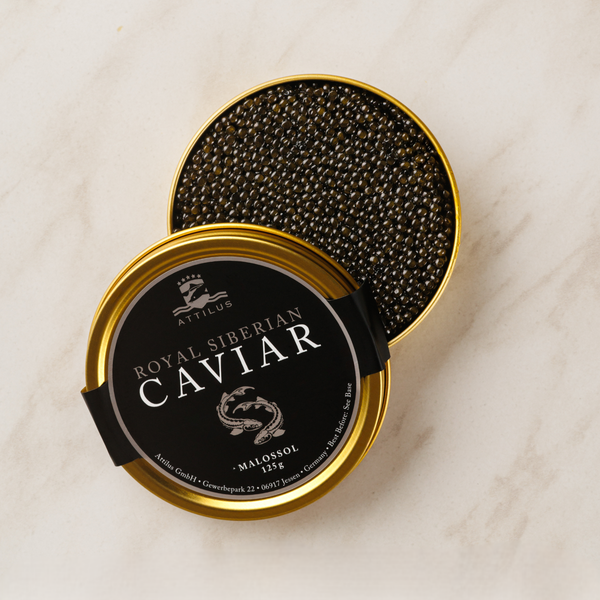
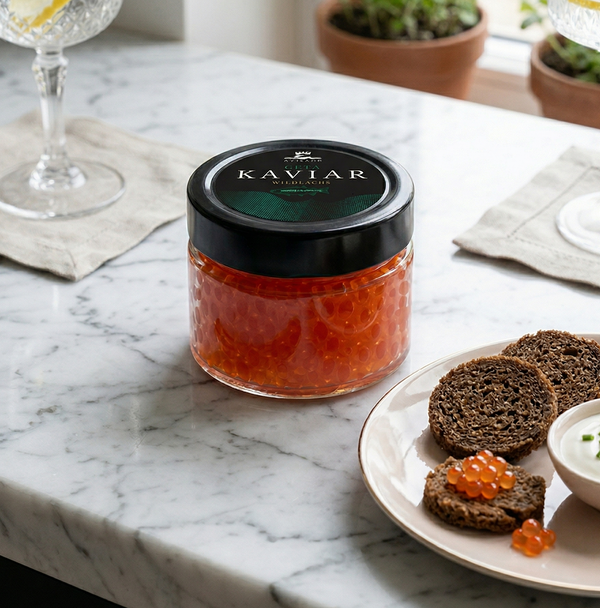
Against the rich, starchy potato and the tang of sour cream, the caviar brings the salt, the sea and the sense of occasion. This is a dish where a good everyday caviar earns its keep in a generous spoonful: a Siberian for firm, dark, briny pearls, or salmon caviar for bright colour and a bigger, more affordable heap. Its pop against the soft potato is the whole joy of the dish, so keep it cold, add it last, and use a non-metallic spoon.
Ingredients
- 4 large baking potatoes, such as Maris Piper or Russet
- Olive oil and flaky sea salt, for the skins
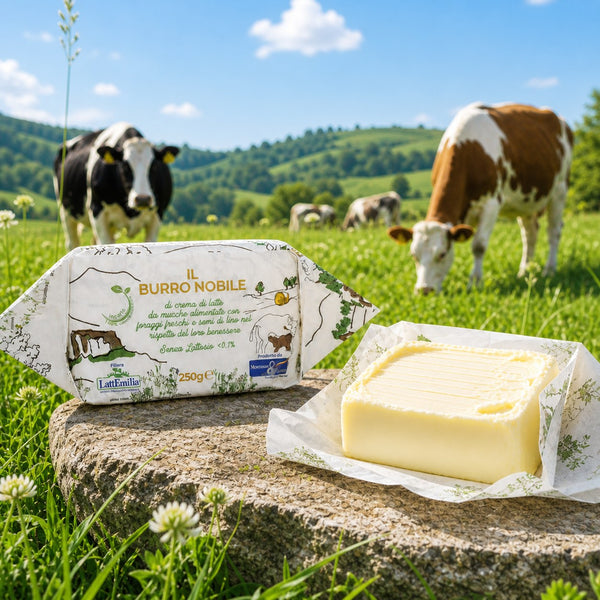
- 40g good butter
- 150g sour cream or creme fraiche
- 40 to 60g caviar
- 2 tablespoons snipped chives
- Black pepper
Equipment
- An oven and a baking tray
- A non-metallic spoon for the caviar
Method
- Prepare the potatoes. Heat the oven to 200C (fan 180C). Prick the potatoes all over, rub with olive oil and a good scatter of flaky salt, and set on a tray.
- Bake until crisp. Bake for about an hour, until the skins are crisp and the insides give completely when squeezed. Do not rush this; a well-baked potato is the foundation of the dish.
- Open and butter. Split each potato along the top, squeeze the ends to open it up, and work a knob of butter and a grind of pepper into the fluffy flesh until it melts.
- Cream and crown. Spoon in the sour cream, then top with a generous spoonful of caviar added last with a non-metallic spoon. Finish with chives and serve at once, while the potato is hot and the caviar cold.
Chef's notes and common mistakes
- Bake, do not microwave. The crisp, salted skin and fluffy interior of an oven-baked potato are the whole point; a microwave gives you a pale, dense, steamed one.
- Salt the skin. Rubbing the skin with oil and flaky salt is what makes it crisp and seasoned.
- Hot potato, cold caviar. The contrast of temperatures is part of the pleasure. Add the cold caviar at the very end so it keeps its pop against the heat.
- Non-metal spoon. As ever, serve caviar with mother-of-pearl, bone or horn, never metal.
Variations
Fold a little grated cheese or a spoon of mashed soft butter through the flesh for extra richness before adding the cream. Smoked salmon or flaked hot-smoked trout tucked under the caviar makes it a fuller meal. For a canape-sized version, use small baked new or fingerling potatoes, one bite each. A mixture of black and salmon caviar looks generous and striking piled on top.
Make ahead and storage
Baked potatoes are best eaten straight from the oven, but they can be baked ahead and reheated in a hot oven to re-crisp the skin. Have the butter, cream and chives ready so assembly takes moments once the potatoes are hot. Add the caviar only at the table. Keep opened caviar chilled and use within a day or two.
Serving and pairing
Serve as an indulgent light supper or a knowing, comforting starter, one potato per person. A glass of cold Champagne or a crisp dry white cuts the richness of butter and cream, while a chilled vodka is the classic caviar partner if you want to lean into the drama. It is proof that caviar does not have to be austere to be a treat.