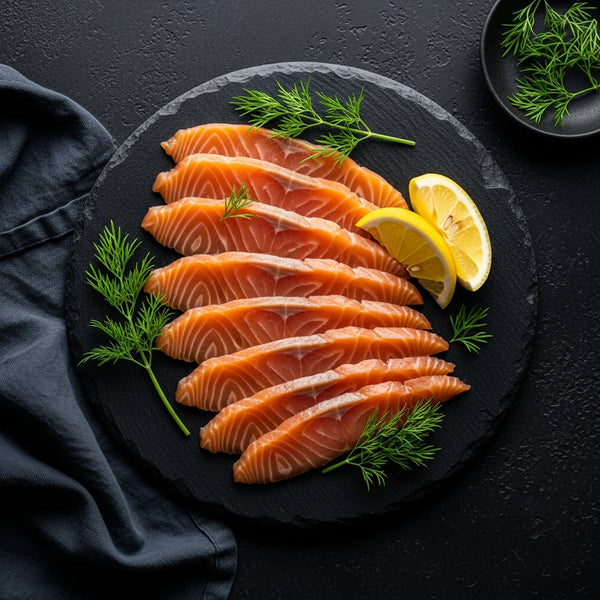
Smoked salmon is prized for its rich, smoky flavour, delicate texture, and versatility in both casual and fine dining. From silky cold-smoked slices to robust, flaky hot-smoked fillets, smoked salmon carries a centuries-old heritage of preservation and culinary innovation. Beyond its exquisite taste, it is a nutritional powerhouse, rich in protein, omega-3 fatty acids, and essential vitamins, making it a dish that nourishes the body as well as the palate.
The story of smoked salmon is a journey through time. Long before refrigeration, starting from ancient Greek and Roman cuisines, smoking was an essential method for preserving fish. Over the centuries, these preservation techniques evolved into culinary traditions, where the fish was valued not only for sustenance but also for its flavour, texture, and visual appeal. Today, smoked salmon is enjoyed worldwide, its preparation reflecting both regional methods and modern innovations. From Scottish oak-smoked delicacies to Scandinavian cured specialities, it remains an emblem of sophistication and heritage.
What Is Smoked Salmon?
Smoked salmon is salmon that has been cured and then exposed to smoke, either at low temperatures (cold smoking) or higher temperatures (hot smoking). The process enhances flavour, preserves the fish, and prevents bacterial growth.
Cold-smoking produces silky, raw-like fillets with a subtle smoke aroma, while hot-smoking creates firm, flaky salmon with a more pronounced smoky flavour. Smoked salmon can be made from wild-caught or farmed salmon, and the choice of species affects texture, flavour, and oil content. Wild salmon is generally leaner with more pronounced flavours, whereas farmed salmon tends to be richer, smoother, and slightly fattier.
Curing and Smoking Techniques

The artistry of smoked salmon revolves around curing and the method of smoke exposure:
- Curing: Salt draws out moisture, enhances flavour, and inhibits bacterial growth. Wet curing involves brine immersion, while dry curing uses a rub of salt, sugar, and seasonings. Herbs, spices, and citrus can be added for gravlax or other lightly cured Scandinavian-style variants, producing herbaceous and nuanced flavours.
- Cold Smoking: Salmon is exposed to smoke at low temperatures (usually around 37°C / 99°F), keeping the flesh raw-like. This produces silky slices, subtle smoky notes, and a delicate, melt-in-the-mouth texture. Traditional methods often use oak, beech, or whisky cask wood for nuanced aromas.
- Hot Smoking: Fish is smoked at higher temperatures, cooking the flesh and producing a firm, flaky texture. The flavour is more pronounced, and the fish is more resilient for use in hearty dishes.
Origins and Historical Context
Smoking fish is an ancient preservation technique. For centuries, communities along rivers, coasts, and fjords relied on smoking to extend the shelf life of salmon, particularly in regions where winters were long and fresh fish was scarce.
- Ancient Greeks: Greeks were already salting and smoking fish in coastal settlements, to preserve it and use in trade in the Mediterranean in 800–300 BC.
- Ancient Romans: They expanded the salting and smoking techniques as they needed to preserve fish for the army and long-distance travel.
- Poland & the Baltic Countries: From the Middle Ages, communities along the Baltic Sea developed strong smoking traditions, with ports like Gdansk playing a key role in the regional fish trade.
- Scotland: By the 19th century, Scottish smokehouses developed a distinctive cold-smoking technique using oak wood, adding a refined and subtle flavour to salmon. This method became highly regarded across Europe, eventually making smoked salmon a sought-after delicacy.
- Scandinavia: From the mid-19th century, railway expansion helped distribute smoked salmon widely. Traditional dishes such as gravlax (cured salmon with salt, sugar and dill) became staples, served with rye bread and herbs.
- North America: The Pacific Northwest has a long tradition of smoked salmon, rooted in indigenous practices that date back centuries. Local tribes would smoke salmon over alder wood to preserve it for the winter months, a technique that continues today, celebrated for its robust flavour.
- Jewish traditions: In historic Jewish communities, smoked fish became central to Ashkenazi cuisine, later shaping delicatessen traditions abroad, particularly in cities such as New York City.
Taste, Texture, and Culinary Appeal

Smoked salmon is admired for its multi-dimensional sensory experience:
- Flavour: Mildly sweet, subtly smoky, umami-rich
- Texture: Silky and tender when cold-smoked; firm and flaky when hot-smoked
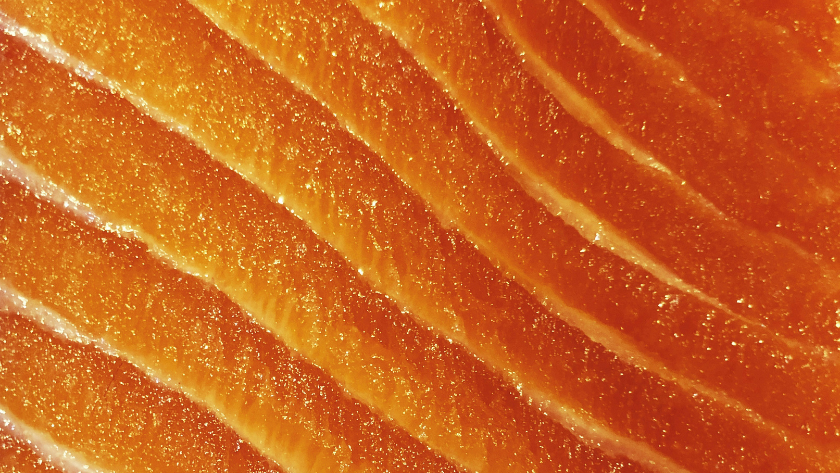
- Appearance: Vibrant pink-orange flesh, visually striking on plates
Culinary Uses:
- Brunch classics: bagels, cream cheese, scrambled eggs, and avocado toast
- Appetisers: on blinis, crusty bread, or with crème fraîche, lemon, and herbs
- Main dishes: in pasta, risotto, or warm salads
- Sushi and sashimi: adding colour and richness
Buying and Selection Tips
Selecting high-quality smoked salmon ensures both taste and safety:
- Look for vibrant, even colour and a slight sheen.
- Texture should be firm yet tender, not slimy.
- The smell should be fresh and smoky, not overly fishy.
- Check labels: vacuum-sealed packs are convenient, but freshly sliced options often provide superior flavour.
- Verify species and source: Atlantic vs Pacific salmon can vary in flavour, and certifications (e.g., MSC, ASC) indicate sustainable practices.
Storage
Keep in airtight containers, avoid repeated temperature changes, and freeze in portions to maintain texture. Proper storage preserves both flavour and safety:
- Cold-smoked salmon: 5–7 days refrigerated, up to 2 months frozen.
- Hot-smoked salmon: 1–2 weeks refrigerated due to the cooking process.
- Thawing: Thaw in refrigerator slowly; avoid microwaving to prevent texture loss.
Nutrition and Health Benefits
Smoked salmon is not just a treat; it is also highly nutritious:
- Protein: Supports muscle repair and satiety
- Omega-3 Fatty Acids: Essential for heart, brain, and eye health
- Vitamins: A, D, B12
- Minerals: Selenium, potassium
- Astaxanthin: Natural antioxidant that promotes skin health and reduces inflammation
Smoked salmon is high in sodium, typically 430–784 mg per 3-ounce (85 g) portion, so moderation is recommended. Cold-smoking tends to produce fewer nitrosamines than hot-smoking, making it a slightly healthier option.
Smoked Salmon Culture

Historically, smoked salmon signified luxury and refinement, appearing on banquet tables and festive occasions. Its preparation reflects regional identity, craftsmanship, and culinary pride:
- Scandinavia: Integral to smørrebrød and festive tables, often paired with dill, mustard, or rye bread
- Europe: Used in hors d'oeuvres, paired with capers, lemon, and fresh herbs
- Global Appreciation: From Asian sushi rolls to modern brunch spreads, smoked salmon demonstrates versatility while honouring centuries of tradition.
Conclusion
Smoked salmon is a culinary treasure, combining centuries of tradition, artistry, and nutrition. From silky, cold-smoked fillets to rich, flaky hot-smoked slices, each variety reflects regional methods, species, and smoking expertise. Rich in protein, omega-3s, and essential vitamins, it nourishes both body and palate while elevating any dish, from simple breakfasts to gourmet feasts. Smoked salmon remains a timeless delicacy, bridging heritage, flavour, and modern culinary innovation.