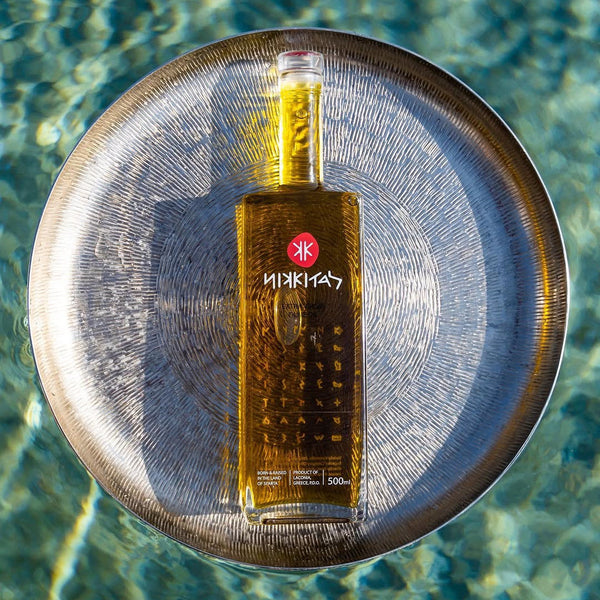
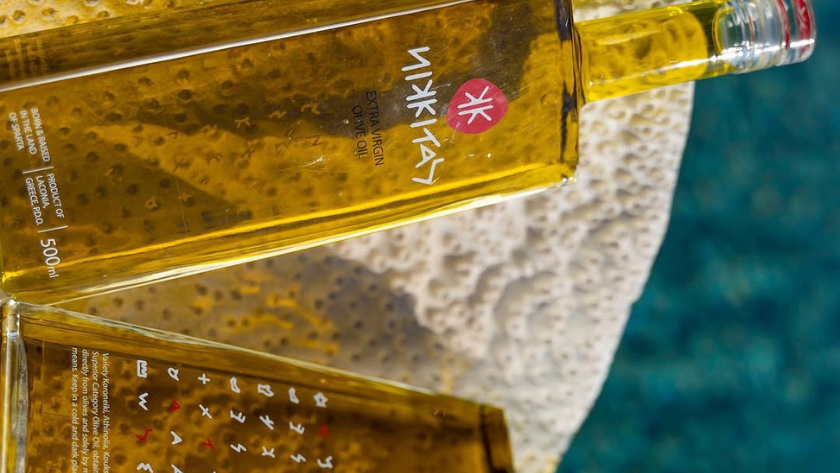
Extra virgin olive oil (EVOO) is the highest edible expression of the olive. It is closer to freshly pressed fruit juice than to a neutral cooking oil.
For over 6,000 years, civilizations around the Mediterranean have treated olive oil not merely as food, but as treasure - a symbol of vitality, longevity, and abundance. From the groves of ancient Greece to the tables of Rome, it was revered as “liquid gold,” pressed from fruit and valued for both nourishment and ritual. When you taste a truly exceptional extra virgin olive oil for the first time - vibrant, aromatic, alive with green freshness and a peppery finish - it becomes immediately clear why it has endured for millennia. This is not a neutral cooking fat. It is the purest edible expression of the olive tree: complex, protective, and sensorially unforgettable.
Global demand, supply volatility, and inconsistent enforcement have led to widespread mislabelling and adulteration of EVOO in commercial markets. Authentic extra virgin olive oil cannot be reliably identified by colour, price, or simple home tests; quality depends on verified chemical composition, proper storage, and traceable production practices.
500 ml of Extra Virgin Olive Oil in Context
A 500-millilitre bottle of extra virgin olive oil represents the concentrated yield of an entire season. On average, it takes 4-5 kilograms of olives to produce just one litre of oil - meaning a single 500 ml bottle requires ~2-2.5 kilograms of fruit. The fruit is harvested within a narrow seasonal window, transported carefully to prevent bruising, and crushed within hours to preserve chemical integrity.
Chemically, those 500 millilitres contain roughly 460 grams of monounsaturated fats, along with measurable quantities of vitamin E, squalene, phytosterols, and - in high-quality oils - 250+ milligrams of polyphenols per kilogram. Just one tablespoon (about 20 grams) delivers approximately 180 calories and, in high-phenolic oils, enough bioactive compounds to meet the threshold for recognised cardiovascular protection claims (polyphenols help protect your blood from damage).
What is exactly EVOO
To qualify as “extra virgin,” an oil must be extracted exclusively by mechanical means, contain free acidity no greater than 0.8%, and exhibit zero sensory defects when evaluated by certified tasting panels. It is, in essence, a mechanically extracted fruit juice - chemically intact and sensorially expressive.
Extra virgin olive oil is not a marketing term; it is a legally defined chemical and sensory category. Under international and EU regulatory frameworks, EVOO must meet the following criteria:
| 1. Mechanical Extraction Only | EVOO must be obtained solely by mechanical means - typically crushing, malaxation, and centrifugation - without chemical refining or solvent extraction. No heat or processing that alters the oil’s fundamental character is permitted. |
| 2. Free Acidity ≤ 0.8% | Free fatty acidity, expressed as oleic acid, must not exceed 0.8 grams per 100 grams. Low acidity is an indicator of sound fruit and proper handling. |
| 3. Zero Sensory Defects | A certified tasting panel must detect: No organoleptic defects (e.g., rancid, fusty, musty, winey); Positive attributes such as fruitiness, with possible bitterness and pungency (the latter two often correlating with polyphenol content) |
So, only oils meeting both chemical and sensory thresholds may legally be labelled as “extra virgin.”
Understanding Other Olive Oil Categories
- Virgin Olive Oil: Also mechanically extracted; Free acidity ≤ 2.0%; May exhibit minor sensory defects; Lower grade than EVOO but still unrefined
- Refined Olive Oil: Produced by chemically refining defective virgin oils. Neutralised in flavour, aroma, and colour. Typically blended with a small percentage of virgin oil before retail sale
- Olive Oil (Standard Commercial Grade): Any blend of refined and extra-virgin or virgin olive oils, which by law has a maximum free acidity of 1%. Chemically stable but lacks the complexity, polyphenols, and aromatic integrity of EVOO
- Olive Pomace Oil: Industrial category, extracted from residual olive paste using solvents.
The Three Recognised Health Benefits of Extra Virgin Olive Oil

When the chemical composition of an olive oil is verified, three specific nutrition and health claims are legally permitted under the framework of the European Food Safety Authority (EFSA). These are not general wellness statements - they are scientifically assessed and linked to measurable components naturally present in high-quality extra virgin olive oil.
| 1. Rich in Monounsaturated Fats Replacing saturated fats with unsaturated fats in the diet contributes to maintaining normal blood cholesterol levels. |
Extra virgin olive oil is naturally rich in monounsaturated fatty acids, particularly oleic acid. An average adult’s recommended daily fat intake is around 70 g. Choosing fats rich in monounsaturated (like olive oil) or polyunsaturated fatty acids (found in many vegetable oils) instead of saturated fats (typically animal fats) helps maintain normal cholesterol levels. Olive oil has a further advantage: it contains more monounsaturated than polyunsaturated fats, making it naturally more stable during cooking. This balance supports both heart health and culinary performance. |
| 2. High Vitamin E Content Vitamin E contributes to protecting cells from oxidative stress |
Vitamin E is a natural antioxidant found in olive oil. It helps protect our cells from damage caused by oxidative stress, a process linked to ageing and various chronic conditions. EU guidelines define: 1.8 mg per 100 g as a “source of vitamin E”; 3.6 mg per 100 g as “high in vitamin E” A good extra virgin olive oil can contain 10–20 mg per 100 g, sometimes even more than 20 mg, which may exceed 100% of the daily reference intake per 100 g. In short, high-quality EVOO is not just a cooking fat; it is a meaningful dietary source of natural antioxidants. |
| 3. Olive Oil Polyphenols Olive oil polyphenols contribute to protecting blood lipids from oxidative stress. |
Polyphenols are powerful natural antioxidants unique to minimally processed olive oil. They are responsible for the slight bitterness and peppery sensation often experienced at the back of the throat when tasting a fresh, high-quality extra virgin olive oil. For this claim to apply, the oil must contain at least 5 mg of hydroxytyrosol and its derivatives per 20 g (about one tablespoon). In simple terms, olive oil polyphenols help protect your blood from damage. |
High-Polyphenol Olive Oil
High-polyphenol EVOO is defined by measurable phenolic concentration verified through independent laboratory testing. Polyphenols are bioactive compounds with documented antioxidant and anti-inflammatory properties.
Polyphenols - such as oleocanthal, hydroxytyrosol and tyrosol - are a broad class of plant-derived compounds with documented antioxidant and anti-inflammatory activity.
| Polyphenol Level (mg/kg) | Functional Significance |
|---|---|
| Below 250 Standard EVOO |
Culinary fat: limited therapeutic impact. Best for general cooking |
| 250–500 High-Phenolic |
Meaningful antioxidant support. Best for daily finishing EVOO |
| 500–1000 Ultra-High |
Significant anti-inflammatory potential, Functional nutrition |
| 1000+ Therapeutic Grade |
Concentrated phenolic intake. Suppliment style use. |
How to Identify a High-Quality Extra Virgin Olive Oil
Identifying a truly exceptional extra virgin olive oil (EVOO) goes beyond label reading or country of origin. While provenance provides context, it does not guarantee quality. Like wine or other fine agricultural products, EVOO is the result of careful cultivation, timing, and handling, influenced by climate, soil, and the natural characteristics of each olive variety.
Origin Matters - But It’s Not Everything
European law requires the country of origin to appear on the label, e,g. “From olives harvested and pressed in Greece”. These declarations provide assurance of traceability, but the oil’s sensory excellence still depends on production practices rather than geography alone.
The Importance of Olive Ripeness
Olives undergo a transformation during ripening, changing colour from green to yellow, then reddish, purple, brown, and finally black. Each variety has its optimal ripeness that maximises flavour, fragrance, and chemical balance. Picking olives too late can result in flat, dull flavours. Seasonal factors such as rainfall or temperature fluctuations can also subtly alter the oil’s bitterness and aroma. This variability is natural and part of what makes each year’s harvest unique.
Cold Extraction: What It Really Means
Terms like “first cold pressing” or “cold extraction” are legally permitted and widely associated with quality. They indicate that the oil was extracted at controlled temperatures, preserving delicate aromas, antioxidants, and the chemical integrity of the oil.
Golden Rules for Producing Exceptional EVOO
Producers, who consistently deliver high-quality oils, follow these strict steps throughout harvest and production:
- Select healthy olives from young trees in well-irrigated groves.
- Pick olives directly from the tree, manually, avoiding fallen fruit.
- Harvest at optimal ripeness, discarding overripe or damaged olives to preserve fragrance.
- Transport olives carefully, using well-ventilated crates.
- Crush olives on the same day of harvesting to maintain freshness and chemical integrity.
- Use modern, hygienic extraction systems to preserve quality.
EVOO Colour
Extra virgin olive oils can range from intense green to yellow with green hints, or golden yellow, depending on: (i) olive variety and ripeness; (ii) extraction methods and machinery.
Colour alone is not a quality indicator. The only warning sign is a reddish hue, which signals chlorophyll degradation caused by light exposure - a visual cue that the oil may have been poorly stored.
How to Store Extra Virgin Olive Oil

Even the finest extra virgin olive oil is a living product, subject to natural chemical changes over time. Proper storage preserves its flavour, aroma, and nutritional properties, while poor storage accelerates oxidation, leading to loss of freshness and quality. The points are:
- Protect from Light: Light damages oil’s chemical structure, antioxidants, and sensory qualities.
- Limit Oxygen Exposure: Oxygen accelerates oxidation, which deteriorates flavour and nutritional content. Always replace the bottle cap tightly after use. Avoid open oil cruets in kitchens or restaurants - these allow constant air contact and rapid oxidation. Adding fresh oil to old oil triggers repeated oxidation, degrading the product quickly.
- Keep Temperatures Moderate: store EVOO at 12–20°C for optimal quality.
Global Olive Oil Market, Production and Consumption Data
The global olive oil market is ~ USD 15.0 billion by value, of which 50% is refined olive oil, ~35% is EVOO, and the remaining ~15% is virgin olive oil. In volume terms, however, annual EVOO production represents only around 10% of total global olive oil output, which is estimated at ~3.5 million tonnes worldwide. Production is highly concentrated geographically. Collectively, three Mediterranean countries generate approximately two-thirds of the world’s extra virgin olive oil: Spain ~50% of global EVOO output; Italy ~ 15%; and Greece ~10%.
Household retail purchases account for about 50% of total global consumption. In terms of distribution channels, supermarkets and convenience stores capture roughly two-thirds of total sales, while online platforms and specialty stores account for the remaining one-third. Greece leads the world in per capita olive oil consumption, reaching up to 20 kilograms per person per year. It is followed by Spain, Italy, Tunisia, and Portugal, reflecting the strong cultural and culinary roots of olive oil across Mediterranean diets.
How Fake “Extra Virgin” Took Over Supermarket Shelves
For many educated consumers, seeing “extra virgin olive oil” printed boldly on a supermarket bottle suggests authenticity and quality. Yet the reality behind many of those bottles is far more complicated - and in some cases, deeply troubling. In recent years, regulators and law enforcement agencies have uncovered widespread fraud in the olive oil sector, revealing how adulterated and mislabelled products have proliferated in mainstream retail channels.
How Fraud Happens
Because EVOO sits at the top of the quality pyramid, even small downgrades in authenticity can generate significant profit margins for dishonest actors. As a result, olive oil has become one of the most frequently adulterated foods in global trade.
Fraud most commonly takes the form of blending. Lower-cost refined olive oils or seed oils such as soybean, sunflower, or canola are mixed with genuine EVOO. In more sophisticated operations, low-grade or defective olive oils undergo “mild deodorisation,” a heat treatment that removes unpleasant odours and flavours without leaving the obvious chemical traces of full refining.
Visual deception is also common. Chlorophyll or beta-carotene can be added to enhance or standardise colour, reinforcing consumer expectations that greener oil is fresher or superior. In parallel, origin fraud remains widespread: blends of imported oils may be bottled and marketed under labels implying a single prestigious origin, despite being composed largely of different supplies. In other cases, virgin olive oil - a lower legal grade - is simply marketed as EVOO.
Most of this misconduct is economic rather than immediately toxic. However, it systematically misleads consumers, distorts markets, and undermines producers who adhere to rigorous standards.
Why It Became Systemic
Olive oil fraud did not emerge randomly. Global demand for extra virgin olive oil has expanded steadily, driven by its association with longevity, cardiovascular health, and the Mediterranean diet. Yet authentic supply is inherently volatile and limited, dependent on climate, geography, and harvest conditions.
In recent years, prolonged drought in Spain and the spread of Xylella fastidiosa bacteria in parts of Italy severely reduced output. As supply tightened, prices surged. In early 2024, standard Spanish extra virgin olive oil reached historic highs. Compounding the issue is inconsistent enforcement in major import markets, with regulatory oversight prioritising safety over quality classification, resulting in fraudulent operators facing limited deterrence.
Enforcement Reveals the Scale
Law enforcement actions across Europe, in particular, have repeatedly demonstrated that olive oil fraud is neither rare nor anecdotal. In 2023, Europol coordinated Operation OPSON, seizing more than 260,000 litres. Italian courts have fined major retailers and established brands for selling products labelled as EVOO that laboratory and sensory analysis determined to be virgin grade.
Why Consumers Can’t Detect It
For the average shopper, identifying fraudulent EVOO is extraordinarily difficult. Popular home methods - refrigerating the oil, judging its colour, or relying on casual tasting - are unreliable and often misleading. Olive oil’s fatty acid composition varies naturally, meaning authentic oils may or may not solidify in the refrigerator. Colour is influenced by olive variety and harvest timing, not quality alone. Authenticity today frequently requires advanced laboratory testing or evaluation by trained professional tasting panels. Without traceability or independent validation, consumers are largely navigating the market without the tools necessary to verify what is inside the bottle.
Olive Trees and Olive Varieties
The olive tree is one of the oldest cultivated trees in the world, renowned for its remarkable longevity and resilience. Many olive trees live for more than 300 years, and some ancient specimens are believed to be over 1,000 years old. Under favourable conditions, an olive tree typically reaches a height of 10–16 meters. While it begins to bear fruit after approximately 4–5 years, meaningful harvesting usually starts only after about 10 years.
On average, a mature olive tree produces around 50 kilograms of olives per year, which translates into ~10 kilograms of olive oil, depending on extraction efficiency. Exceptional older trees can far exceed this output. For example, some 1,200-year-old trees reportedly produce up to 2,200 kilograms of olives annually, yielding ~500 kilograms of olive oil.
Olives themselves undergo a natural colour transformation as they ripen: they begin green and gradually turn violet to deep black when fully mature. Botanically, there are about 30 recognised olive species and ~2,000 varieties, displaying significant diversity in size, shape, texture, and appearance. Some olives are small and firm, others large and fleshy; some have smooth, shiny skins, while others are more wrinkled. Certain varieties are particularly well-suited for oil production due to their higher oil yield and chemical composition. For instance, the Greek variety Athinolia is known for its relatively high polyphenol content, contributing to strong antioxidant properties and a more robust flavour profile in the resulting olive oil.
How Extra Virgin Olive Oil Is Produced

Extra virgin olive oil begins in the grove, where timing determines everything. Harvest usually takes place between October and January in the Northern Hemisphere, and the decision of when to pick dramatically shapes the oil’s character. Early-harvest olives - still green - produce lower yields but significantly higher polyphenol levels, resulting in oils that are more bitter, pungent, and aromatically intense. Later harvests increase oil yield and soften flavour, but phenolic concentration typically declines.
For high-quality EVOO, olives are picked directly from the tree, either by hand or using mechanical shakers. Fruit that has fallen to the ground is not used, as microbial activity begins quickly and increases free acidity. Once harvested, olives must be transported in shallow, ventilated crates to prevent fermentation and processed within hours - ideally the same day.
At the mill, leaves and debris are removed before the olives are crushed into a paste using stainless steel hammer mills or traditional stone systems. Crushing ruptures the olive’s cell walls and releases microscopic oil droplets. The paste then undergoes malaxation - slow, controlled mixing for 20 to 45 minutes at temperatures below 27°C when labelled as cold extracted. This stage allows small oil droplets to merge into larger ones while preserving volatile aromas and phenolic compounds. Excessive heat at this point would increase yield but degrade quality.
Separation follows via centrifugation, which isolates the oil from water and solid matter without the use of chemical solvents. The freshly extracted oil may be lightly filtered or naturally settled before being transferred to stainless steel tanks to minimise oxygen exposure. From there, it is bottled in tins to protect it from light.
EVOO Health Benefits in More Detail
The primary nutritional strength of extra virgin olive oil lies in its fatty acid composition. Roughly 70-75% of EVOO consists of monounsaturated fatty acids, predominantly oleic acid. Saturated fats typically account for 10-15%, with the remainder composed of polyunsaturated fats.
This composition matters because replacing saturated fats in the diet with monounsaturated fats contributes to maintaining normal blood cholesterol levels. Oleic acid has been associated with reductions in LDL cholesterol - the lipoprotein responsible for transporting cholesterol to tissues - while helping preserve or modestly increase HDL cholesterol, which participates in reverse cholesterol transport.
Equally important is the oxidative stability of these lipoproteins. Oxidised LDL plays a central role in the development of atherosclerotic plaque. The monounsaturated structure of oleic acid makes it less prone to oxidation than polyunsaturated fatty acids, improving lipid stability both in the bottle and in the body.
This same chemical stability explains why EVOO performs well under typical cooking conditions. Its dominance of monounsaturated fats, combined with naturally occurring antioxidants, makes it more resistant to heat-induced degradation than many seed oils rich in fragile polyunsaturated fats.
While its fatty acids form the structural foundation, EVOO’s most distinctive health properties derive from its minor bioactive compounds - substances largely absent from refined oils.
Polyphenols such as oleocanthal, hydroxytyrosol, tyrosol, and oleuropein derivatives are responsible for the bitterness and peppery sensation associated with high-quality oils. These compounds possess well-documented antioxidant activity and contribute to protecting blood lipids from oxidative stress. Oleocanthal in particular has demonstrated anti-inflammatory activity through mechanisms similar to non-steroidal anti-inflammatory drugs, notably via inhibition of cyclooxygenase (COX) enzymes.
In addition to polyphenols, EVOO contains natural antioxidants including vitamin E (tocopherols), carotenoids, and chlorophyll derivatives. These molecules help neutralise free radicals and protect cellular membranes from oxidative damage.
The oil also enhances the absorption of fat-soluble nutrients - including vitamins A, D, and K - when consumed with vegetables and other whole foods. This synergistic role reinforces its position not merely as a fat source, but as a functional component of a nutrient-dense dietary pattern.
The combined effect of monounsaturated fats and phenolic compounds contributes to the modulation of inflammatory markers and supports endothelial function when consumed regularly within a balanced diet.
Conclusion
Extra virgin olive oil is best understood not as a generic cooking oil, but as a mechanically extracted fruit juice with measurable biochemical activity. Its value lies in the integrity of its production and the preservation of its natural compounds.
When authentic and properly stored, EVOO delivers a uniquely favourable fatty acid profile, natural antioxidants, and bioactive polyphenols linked to cardiovascular and anti-inflammatory benefits. Yet these properties are inseparable from method: harvesting decisions, milling precision, and storage discipline determine whether those compounds survive intact.
In a global market shaped by industrial scale and frequent adulteration, understanding how EVOO is produced - and why its composition matters - allows consumers to distinguish genuine quality from commodity oil. At its highest expression, extra virgin olive oil remains both a culinary and biological asset: structurally stable, sensorially complex, and chemically alive.