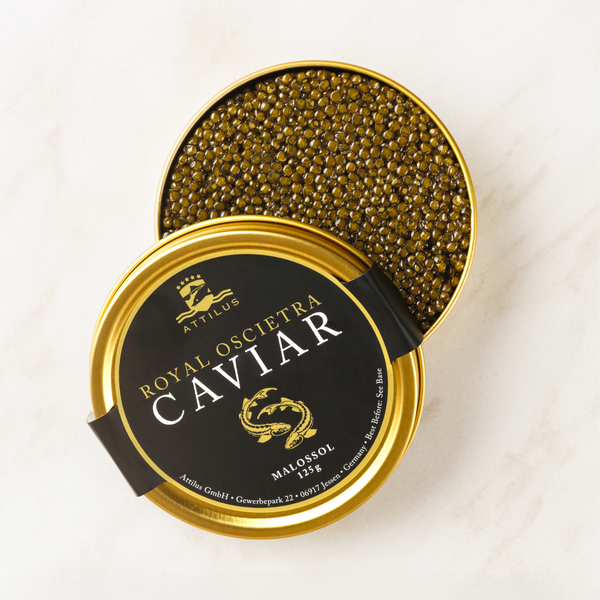
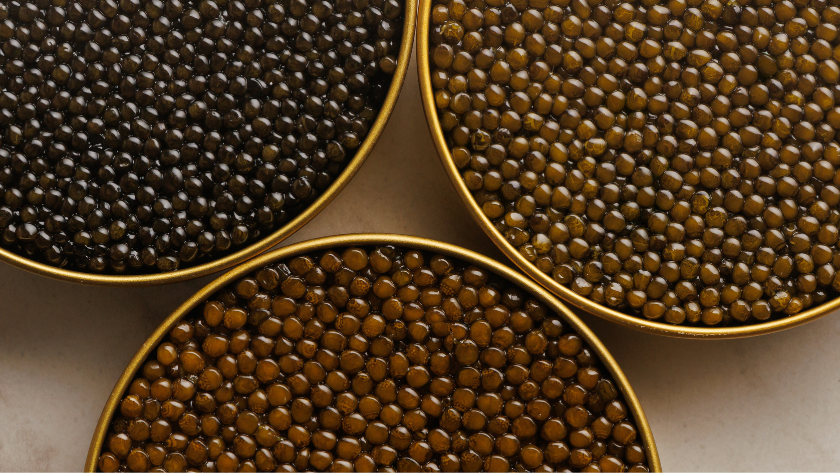
Caviar - salt-cured sturgeon roe - is a culinary luxury synonymous with elegance, refinement, and tradition. Once reserved for royalty and aristocracy, caviar has evolved into a globally celebrated delicacy, appreciated for its rich flavour, delicate texture, and nutritional value. High in protein, omega-3 fatty acids, vitamins, and trace minerals, caviar combines gastronomic indulgence with health benefits.
Modern aquaculture and sustainable practices and online platforms now allow consumers to source premium-quality caviar directly, recreating restaurant-level experiences at home. What was once confined to fine dining establishments is now increasingly part of private celebrations, dinner parties, and curated culinary moments.
Caviar is not only celebrated for its taste but also for its versatility. It enhances everything from simple hors d’oeuvres to elaborate gastronomic creations, and its nutritional richness adds to its appeal. Today, caviar continues to be a symbol of luxury while also reflecting modern priorities such as sustainability, responsible sourcing, and at-home gourmet experiences.
50 Gram Caviar Tin in Context

A 50-gram tin of caviar represents years of biological development and careful craftsmanship. Depending on the species, female sturgeons take 6 to 17 years to produce viable roe. Throughout this period, they are raised in controlled aquaculture environments where water quality, nutrition, and stress levels are meticulously managed.
When the roe is finally harvested, only a fraction meets the strict standards required for premium caviar. Factors such as egg size, firmness, colour, and flavour determine its final grading. Nutritionally, a 50-gram serving provides approximately:
- 120–140 calories
- 12–14 grams of protein
- 6–8 grams of fat (rich in omega-3 fatty acids)
- High levels of vitamin B12, selenium, and iron
How Caviar is Made
Caviar production is a highly controlled process that blends traditional craftsmanship with modern science.
- Sturgeon Maturation: Female sturgeon take 6–17 years to produce roe, depending on species. Farms use controlled environments, nutrition management, and ultrasound monitoring to ensure optimal egg maturity.
- Harvesting: Roe is carefully extracted, keeping eggs intact. Fine mesh screens separate the eggs, which are then rinsed with cold, purified water.
- Salting (Malossol Method): Minimal salt, only 3–5% is added to preserve freshness and enhance flavour without overwhelming the eggs’ natural taste.
- Grading: Eggs are sorted by pearl size, uniformity, colour, texture, and aroma.
- Packaging: Caviar is packed in tins and stored near-freezing to mature subtly before consumption.
History of Caviar
Caviar’s origins trace back thousands of years to the regions surrounding the Caspian and Black Seas. Ancient Persians are believed to have been among the first to consume sturgeon roe, valuing it for both nourishment and vitality. By the Middle Ages, caviar had become a prized delicacy in Russia and Eastern Europe. It was tightly controlled by royalty-particularly Russian tsars-who recognised its value as both a luxury food and a symbol of power.
Overfishing led to the near extinction of several sturgeon species, prompting regulatory measures. Since 1998, international trade of all sturgeon species and related products has been regulated under CITES (Convention on International Trade in Endangered Species of Wild Fauna and Flora) to ensure sustainable trade practices. The export quotas for Caspian Sea caviar were gradually reduced and eventually eliminated.
Since 2006, caviar marketed in the EU must carry a geographical indication of origin, regardless of whether it is farmed or wild-caught. Products without a CITES certificate are considered contraband or counterfeit. Since 2008, the market has faced a shortage of wild-caught caviar, a situation that farmed sturgeon cultivation has sought to address. Today, nearly all caviar available on the market is harvested from farmed sturgeon. Key technologies used for sturgeon rearing include:
- Flow-through systems (~33%)
- Recirculating aquaculture systems (~20%)
- Cages (~20%)
- Ponds (~10%)
Raising sturgeon for caviar is costly due to their long maturation period. Female sturgeons only produce viable roe after 6-7 years, with their sex determined using ultrasound after approximately three years.
Types of Caviar

Each caviar type offers a distinct balance of flavour, texture, and visual character, ranging from delicate and buttery to bold and briny. Below are the eight principal types of caviar, representing both traditional luxury and modern aquaculture excellence.
1. Beluga Caviar
Scientific Name: Huso huso
Origin: Caspian Sea
Beluga caviar comes from the largest sturgeon species in the world, capable of reaching 6 metres in length and over 1,500 kilograms. It is widely regarded as the rarest and most prestigious caviar. Its large, soft pearls (approximately 3–4 mm) range from light grey to brown and deliver a rich, buttery, and creamy flavour with subtle hazelnut undertones. The texture is exceptionally delicate, often described as melting on the palate. Its rarity and long maturation period make it the most exclusive caviar available. The species typically requires over a decade to mature and is now primarily farmed due to conservation protections, enhancing its role as a sustainable luxury alternative.
2. Oscietra Caviar
Scientific Name: Acipenser gueldenstaedtii
Origin: Caspian, Black, and Azov Seas
Oscietra sturgeon grow to over 2 metres and can weigh up to 100 kilograms. Their caviar is one of the most popular high-end varieties, valued for its complexity and balance. The pearls (around 2.7–3 mm) display a wide colour spectrum-from dark olive and brown to amber and gold, with lighter tones often linked to older fish. The flavour is smooth, creamy, and distinctly nutty, with a long, elegant finish. Native to the Caspian basin and its major tributaries, the species typically requires around 10 years to reach maturity for caviar production.
3. Siberian (Baerii) Caviar
Scientific Name: Acipenser baerii
Origin: Siberian river systems
The Siberian sturgeon reaches around 2 metres in length and 50 kilograms in weight and is widely used in modern aquaculture due to its adaptability. Baerii caviar features medium-sized pearls (2.5–2.8 mm) in shades from dark brown to jet black. It offers a smooth, creamy texture with subtle oyster-like brininess, making it both indulgent and approachable-ideal for those new to caviar. Its relatively short maturation cycle (approximately 6–8 years) has made it a cornerstone of sustainable caviar production.
4. Sevruga Caviar
Scientific Name: Acipenser stellatus
Origin: Caspian, Black, and Aegean Seas
Sevruga is one of the smaller sturgeon species, growing up to 1.5 metres and around 30 kilograms, yet it produces some of the most flavourful roe.
Its small pearls (~2 mm) have a distinctive steel-grey sheen and a smooth, velvety texture. The taste is bold and full-bodied-briny, nutty, clean, and crisp-making it a preferred choice for those who appreciate a more intense caviar experience.
5. Kaluga Caviar
Scientific Name: Huso dauricus
Origin: Amur River basin and East Asian waters
Kaluga sturgeon can grow up to 5 metres and exceed 1,000 kilograms, earning them the nickname “river Beluga.” Their caviar features large, firm pearls (around 3 mm) in shades from dark grey to light brown. It offers a smooth, buttery flavour with subtle nuttiness and balanced salinity, making it one of the most sought-after modern alternatives to Beluga. The species typically requires over a decade to mature and is now primarily farmed.
6. Amur Caviar
Scientific Name: Acipenser schrenckii
Origin: Amur River basin
The Amur sturgeon grows up to 3 metres and around 150 kilograms and produces caviar that is highly valued by chefs worldwide.
Its pearls are medium-sized, typically in amber-brown or olive tones, and offer a balanced flavour profile-creamy, slightly nutty, and gently briny. Its versatility makes it well suited to both traditional and contemporary dishes. Today, it is predominantly produced through aquaculture, supporting both quality consistency and species preservation.
7. Sterlet Caviar
Scientific Name: Acipenser ruthenus
Origin: Eastern European river systems
Sterlet sturgeon are among the smallest, reaching around 1 metre and 16 kilograms, yet they produce highly refined caviar. The pearls (1.5–2 mm) are small, dark grey to black, and have a silky texture. The flavour is mildly briny with a subtle sweetness and smooth umami character. Often compared to Sevruga, it is even more delicate and prized by enthusiasts.
8. Almas Caviar
Scientific Name: Acipenser ruthenus (albino variant)
Origin: Southern Caspian Sea
Almas caviar is one of the rarest and most luxurious caviars in the world, produced from albino Sterlet sturgeon. Its small pearls (1.5–2 mm) are distinguished by their striking golden-yellow colour. The texture is smooth and refined, while the flavour is delicate, subtle, and exceptionally elegant. Its rarity and visual uniqueness make it a true collector’s caviar.
| Type | Taste Profile | Colour | Texture | Pearl Size |
|---|---|---|---|---|
| Beluga | Rich, buttery, creamy; mild hazelnut notes; very clean finish | Light grey to brown with bright sheen | Extremely soft, melts in the mouth | 3–4 mm |
| Oscietra | Smooth, buttery, complex; nutty with long finish | Gold, amber, brown, jade | Firm pearls; pronounced “pop” | 2.7–3 mm |
| Baerii (Siberian) | Creamy, refined; light brininess with oyster notes | Light brown to deep black | Soft, delicate | 2.5–2.75 mm |
| Sevruga | Intense, briny, nutty; crisp and full-bodied | Steel grey with pearlescent shine | Fine, smooth, velvety | ~2 mm |
| Kaluga | Buttery, smooth; subtle nuttiness; balanced salt | Dark grey to light brown | Large, firm pearls; gentle pop | ~3 mm |
| Amur | Bold yet balanced; creamy with mild nuttiness | Amber, olive green with gold hints | Medium-firm; smooth, slightly creamy | 2.5–3 mm |
| Sterlet | Mild briny, slightly sweet; delicate umami | Dark grey to black | Very small, silky, delicate | 1.5–2 mm |
| Almas | Very delicate, smooth, buttery; subtle nutty and creamy notes; refined finish | Golden yellow to pale gold | Silky, smooth, very delicate | 1.5–2 mm |
Caviar Types at a Glance
| Type | Taste Profile | Colour | Texture | Pearl Size |
|---|---|---|---|---|
| Beluga | Rich, buttery, creamy; mild hazelnut notes; very clean finish | Light grey to brown with a bright sheen | Extremely soft, melts in the mouth | 3–4 mm |
| Oscietra | Smooth, buttery, complex, nutty with a long finish | Gold, amber, brown, jade | Firm pearls; pronounced “pop” | 2.7–3 mm |
| Baerii (Siberian) | Creamy, refined; light brininess with oyster notes | Light brown to deep black | Soft, delicate | 2.5–2.75 mm |
| Sevruga | Intense, briny, nutty; crisp and full-bodied | Steel grey with pearlescent shine | Fine, smooth, velvety | ~2 mm |
| Kaluga | Buttery, smooth; subtle nuttiness; balanced salt | Dark grey to light brown | Large, firm pearls; gentle pop | ~3 mm |
| Amur | Bold yet balanced; creamy with mild nuttiness | Amber, olive green with gold hints | Medium-firm; smooth, slightly creamy | 2.5–3 mm |
| Sterlet | Mild briny, slightly sweet; delicate umami | Dark grey to black | Very small, silky, delicate | 1.5–2 mm |
| Almas | Very delicate, smooth, buttery; subtle nutty and creamy notes; refined finish | Golden yellow to pale gold | Silky, smooth, very delicate | 1.5–2 mm |
How Experts Evaluate Caviar Quality

| Criterion | What It Measures | Why It Matters |
|---|---|---|
| Pearl Uniformity | Consistency in size, shape, and colour | Uniform pearls indicate healthy sturgeon and precise processing, a key marker of premium-grade caviar |
| Pearl Size | Diameter of individual eggs | Larger pearls deliver a more intense flavour and fuller “pop”; highly prized in varieties such as Beluga |
| Pearl Colour | Natural colour variation depending on species and age | Lighter tones often indicate older, more mature fish; bright, luminous pearls signal freshness and quality |
| Pearl Maturity | Age and development stage of the roe | Mature roe offers a deeper, more complex flavour and refined texture, similar to ageing in fine foods |
| Separation of Grains | Degree to which pearls remain distinct | Well-separated, non-sticky pearls reflect careful handling and superior processing |
| Pearl Shine | Surface gloss and visual clarity | A lustrous sheen indicates freshness and proper storage; dullness may suggest oxidation or age |
| Shell Hardness | Strength and delicacy of the egg membrane | The ideal balance creates a gentle “pop” followed by a smooth melt, one of the most critical quality indicators |
How to Store Caviar
The ideal storage temperature for caviar is between -2°C and +2°C (up to +4°C at most). The closer it is kept to 0°C - without freezing - the better it will retain its freshness. Thanks to its natural salt (saline) content, caviar will not freeze at these temperatures. In a domestic refrigerator, it should ideally be kept for up to two weeks, with the most stable environment typically at the back of the bottom shelf, where temperature fluctuations are minimal.
Most modern caviar is lightly salted. While it may remain safe to eat beyond its best-before date, caviar is best enjoyed as fresh as possible, when its flavour is at its most vibrant and complex. Once opened, caviar begins to change quickly. Exposure to air softens the pearls, dulls their flavour, and can cause them to release oil. For this reason, it is best to consume caviar immediately after opening. Although it can be kept for up to 24–48 hours if resealed carefully, it will never taste quite as good as it does when freshly opened.
When serving, caviar should be kept well chilled, ideally in its original tin placed over crushed ice. Allowing it to sit for 5–10 minutes before serving can help its flavour open slightly, but it should always be enjoyed cool rather than at room temperature.
Freezing caviar is not recommended. While the flavour may remain largely intact, the freezing process damages the delicate structure of the eggs, resulting in a mushy texture rather than the distinct, refined “pop” that defines high-quality caviar.
Caviar Market Dynamics and Strategic Considerations
The global caviar market is estimated to be valued at approximately $400–500 million in 2024, with projected growth of about 8% annually over the next several years. Multiple factors are contributing to this expansion:
- Health and Nutritional Awareness: Caviar is rich in omega-3 fatty acids, high-quality protein, and essential micronutrients, aligning with broader trends toward functional and nutritionally dense foods.
- Gourmet At-Home Experiences: Household consumption is growing rapidly due to the increasing availability of premium caviar through online platforms, enabling consumers to recreate restaurant-quality dining experiences at home.
- Growth in Gourmet Dining and Food Tourism: The popularity of fine dining experiences and culinary tourism has surged globally, with more high-end restaurants featuring caviar in their signature dishes, driving demand for premium and specialty varieties.
- Increasing Disposable Income and Demand for Luxury Products: Rising global wealth, particularly among younger affluent consumers, is fueling demand for exclusive and high-end food products, including caviar, truffles, and fine wines.
Asia-Pacific dominates the market, accounting for approximately one-third of total sales, with China leading the region. Europe follows with ~25%, North America ~20%, and South America ~15%, with North America expected to see the fastest growth rate. In terms of caviar production volume, the global market is estimated at 700-800 tonnes annually, with China and Europe each producing about one-third of the total supply. Within Europe, the largest producers - Italy, France, Poland, and Germany - collectively account for 85% of the continent’s total caviar production.
How to Taste and Serve Caviar

Caviar is best appreciated slowly, much like a fine wine. Its complexity unfolds in stages, revealing texture, aroma, and depth with each bite. The key to enjoying caviar lies in simplicity, allowing its natural qualities to take center stage.
Tasting Caviar
To experience caviar in its purest form, begin with a traditional tasting method. Place a small spoonful on the back of your hand, between the thumb and forefinger. This technique is not just ceremonial - your skin gently warms the caviar, helping to release its full aroma. Bring the caviar to your lips, then press the pearls lightly against the roof of your mouth with your tongue. As the eggs gently burst, they release their flavour in a subtle “pop,” creating a layered tasting experience. A high-quality caviar will leave a clean, fresh impression, with no unpleasant aftertaste or lingering odor on the skin. Always use a non-metallic spoon when tasting. Materials such as mother-of-pearl, glass, or high-quality plastic are ideal, as metal spoons can interfere with the delicate flavour.
Serving Caviar
Plan for approximately 30 grams per person. The first taste introduces the palate, the second reveals complexity and aroma, and the third delivers full appreciation. Before serving, remove the caviar from the refrigerator and let it rest for 3–5 minutes. This allows the flavour to open slightly. However, it should always be served cool, not warm. For best results, present the tin nestled over crushed ice to maintain a consistent temperature. Caviar can be enjoyed on its own or paired with simple, neutral accompaniments. Lightly boiled potatoes, eggs, or delicate seafood such as scallops complement its flavour without overwhelming it.
Pairing Suggestions
A well-chosen drink can enhance the caviar experience. Classic pairings include a chilled glass of champagne, whose crisp acidity balances the richness of the roe. Alternatively, ice-cold vodka cleanses the palate without interfering with the flavour. For wine lovers, a dry white wine such as Chablis or a crisp Chardonnay also pairs beautifully. In the end, the guiding principle is simplicity. Caviar is a luxury that speaks for itself - best enjoyed with minimal distraction, allowing every pearl to deliver its full character.
Conclusion
Caviar is more than a luxury - it is a product of biology, craftsmanship, and precise processing. Its value lies in sturgeon maturity, careful harvesting, and meticulous grading. High-quality caviar offers a refined experience of texture, flavour, and visual appeal, while sustainable aquaculture ensures ongoing accessibility. Enjoyed responsibly, caviar represents a pinnacle of gastronomy where every pearl contributes to an extraordinary culinary expression.